2nd Sunday Ordinary Time
Pastor’s Notes for 18 January 2026 –
2nd Sunday Ordinary Time
Further selection from St Francis de Sales classic, An Introduction to the Devout Life. I would share some excerpts of his sage advice. Perhaps, it will be of help to you.
Part IV – Chapter XIV: Of Dryness and Spiritual Barrenness
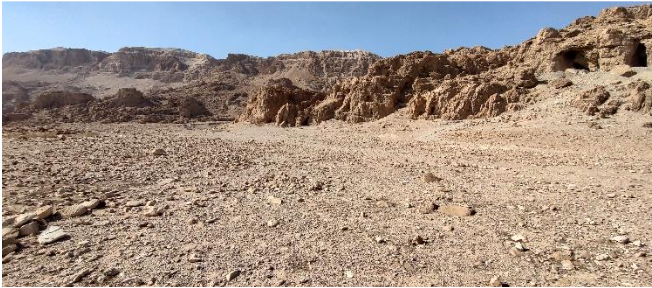
So much for what is to be done in times of spiritual consolations. But these bright days will not last forever, and sometimes you will be so devoid of all devout feelings, that it will seem to you that your soul is a desert land, fruitless, sterile, wherein you can find no path leading to God, no drop of the waters of Grace to soften the dryness which threatens to choke it entirely. Verily, at such a time the soul is greatly to be pitied, above all, when this trouble presses heavily, for then, like David, its meat are tears day and night, while the Enemy strives to drive it to despair, crying out, “Where is now your God? How do you think to find Him, or how will you ever find again the joy of His Holy Grace?” What will you do then, my child? Look well whence the trial comes, for we are often ourselves the cause of our own dryness and barrenness.
1. Humble yourself profoundly before God, acknowledging your nothingness and misery. Alas, what am I when left to myself! no better, Lord, than a parched ground, whose cracks and crevices on every side testify its need of the gracious rain of Heaven, while, nevertheless, the world’s blasts wither it more and more to dust.
2. Call upon God, and ask for His Gladness. “O give me the comfort of Thy help again! My Father, if it be possible, let this cup pass from me.” “Depart, O ye unfruitful wind, which parched up my soul, and come, O gracious south wind, blow upon my garden.” Such loving desires will fill you with the perfume of holiness.
3. Go to your confessor, open your heart thoroughly, let him see every corner of your soul, and take all his advice with the utmost simplicity and humility, for God loves obedience, and He often makes the counsel we take, especially that of the guides of souls, to be more useful than would seem likely; just as He caused the waters of Jordan, commended by Elijah to Naaman, to cure his leprosy in spite of the improbability to human reason.
4. But, after all, nothing is so useful, so fruitful amid this dryness and barrenness, as not to yield to a passionate desire of being delivered from it. I do not say that one may not desire to be set free, but only that one ought not to desire it over-eagerly, but to leave all to the sole Mercy of God’s special Providence, in order that, so long as He pleases, He may keep us amid these thorns and longings. Let us say to God at such seasons, “O my Father, if it be possible, let this cup pass from me;”—but let us add heartily, “Nevertheless, not my will, but Thine be done,” (Lk 22:42) and there let us abide as trustingly as we are able. When God sees us to be filled with such pious indifference, He will comfort us with His grace and favor, as when He beheld Abraham ready to offer up his son Isaac, and comforted him with His blessing. In every sort of affliction, then, whether bodily or spiritual, in every manner of distraction or loss of sensible devotion, let us say with our whole heart, and in the deepest submission, “The Lord gave me all my blessings, the Lord takes them away, blessed be the Name of the Lord.” If we persevere in this humility, He will restore to us His mercies as he did to Job.
5. And lastly, my daughter, amid all our dryness let us never grow discouraged, but go steadily on, patiently waiting the return of better things; let us never be misled to give up any devout practices because of it, but rather if possible, let us increase our good works, and if we cannot offer liquid preserves to our Bridegroom, let us at least offer Him dried fruit—it is all one to Him, so long as the heart we offer be fully resolved to love Him….
https://www.catholicspiritualdirection.org/devoutlife.pdf
Nothing Less than saints for the Holy Family of God.
Holy Family, persevering in Spiritual Dryness, Pray for us.
~ Fr Jeremy M. Gries