New Title
New Title
Welcome if you're considering making us your parish, discover more about what we have to offer.
Mass Times
Weekend
Saturday Vigil: 5:00 PM
Sunday: 8:00 AM*, 10:30 AM, 6:00 PM
*Also streamed on Facebook Live
Weekday
Tuesday: 6:00 PM
Wednesday–Friday: 8:00 AM
Public Recitation of the Rosary
Sunday: 10:05 AM
2nd & 4th Tuesday of the Month: 5:30 PM
before Mass
Adoration of the Blessed Sacrament
1st & 3rd Wednesday the Month:
9:00 AM–9:00 PM
Sacrament of Reconciliation (Confession)
Tuesday: 5:30 PM–5:50 PM
Saturday: 4:30–4:50 PM
Sunday: 5:00–5:50 PM
Office Hours
Monday–Thursday: 8:30 AM–4:00 PM
Friday: Closed
Welcome to Holy Family Parish
A Holy Family family
At Holy Family Parish, we are more than just a church—we are a faith-filled family committed to living out the Gospel, celebrating the sacraments, and growing together in Christ. Rooted in prayer, fellowship, and service, we strive to form intentional disciples who embrace and share their faith with others. Whether through vibrant liturgies, sacramental preparation, faith formation, or community outreach, we welcome everyone to join us in building a strong, Christ-centered parish. We invite you to become part of our Holy Family family, where faith comes alive and all are encouraged to walk together on their journey with Christ. Join us and experience the joy of Catholic community!
Upcoming Events
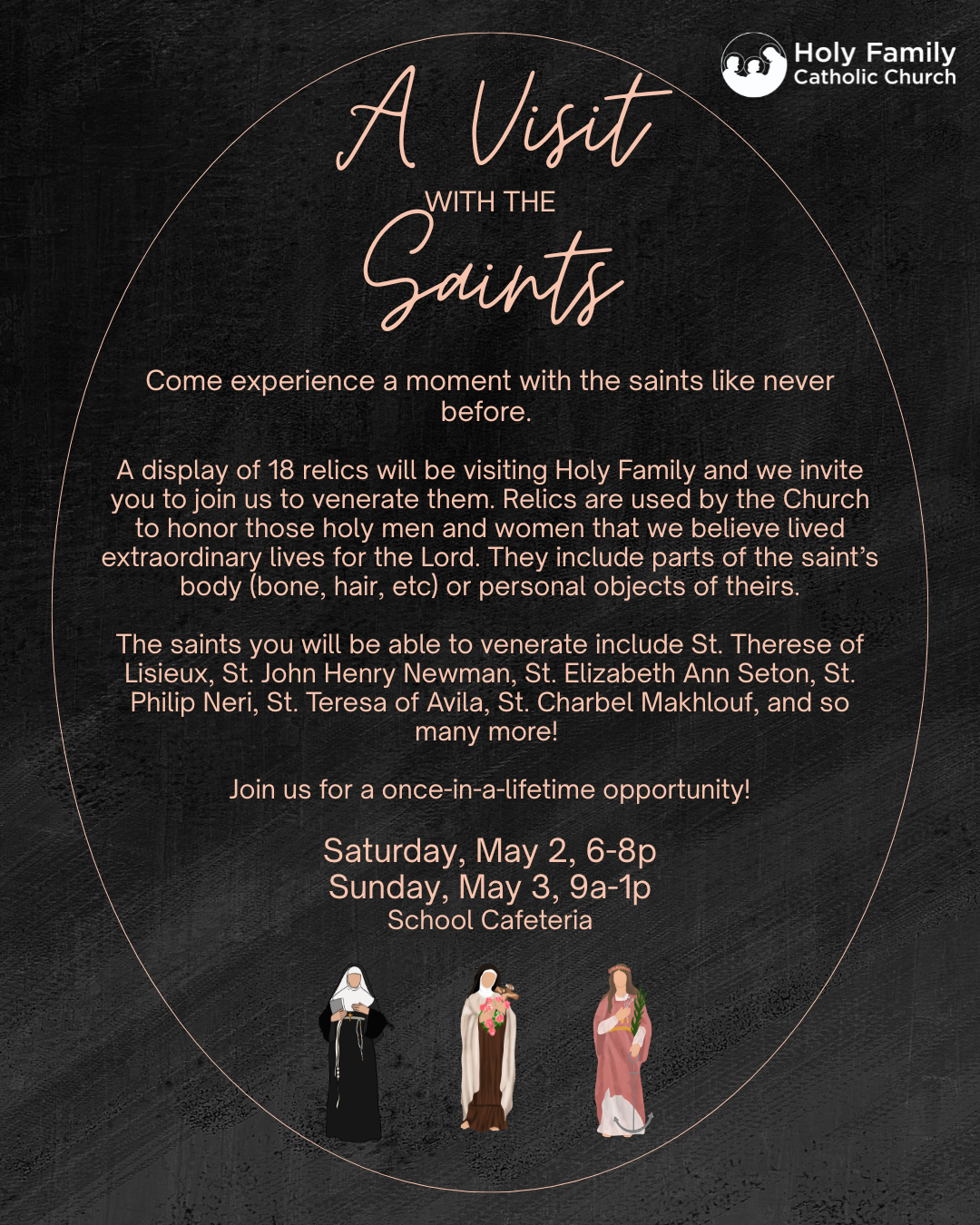
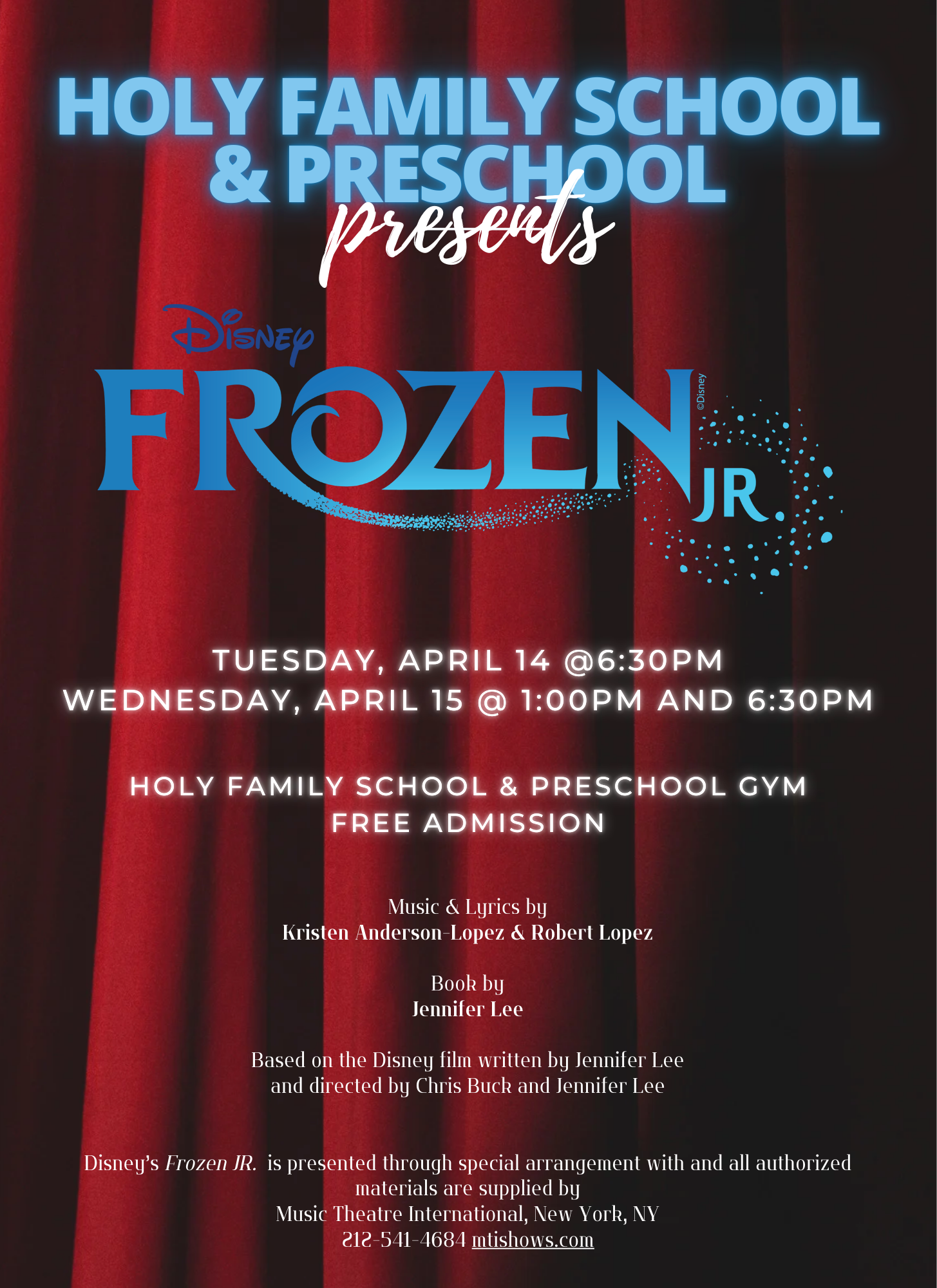
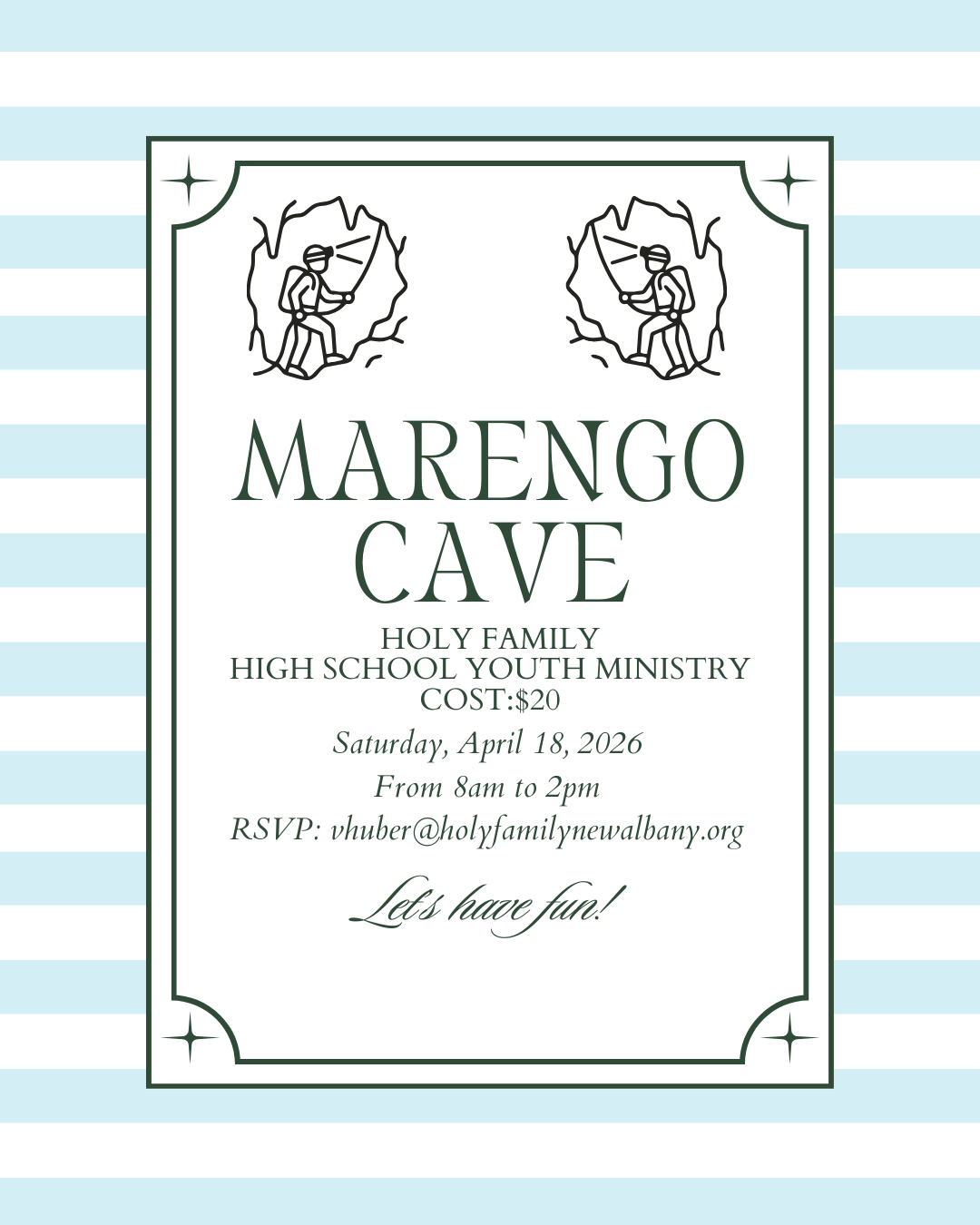
Check out our Calendar to see more events!
Our Mission
Nothing Less than saints for the Holy Family of God. Inspired by the Holy Family, we actively encounter Christ by…
Sharing the Gospel through prayer, Scriptures, and Sacraments,
Forming intentional disciples within our parish and community,
Engaging in fellowship as Catholic Christians, and
Serving others generously and sacrificially.
Parish Bulletin
At Holy Family Catholic Church, our parish bulletins are your go-to source for the latest news, events, and inspiration. Each week, we share important updates, spiritual reflections, and opportunities to connect with our vibrant community. Stay informed and engaged with us!
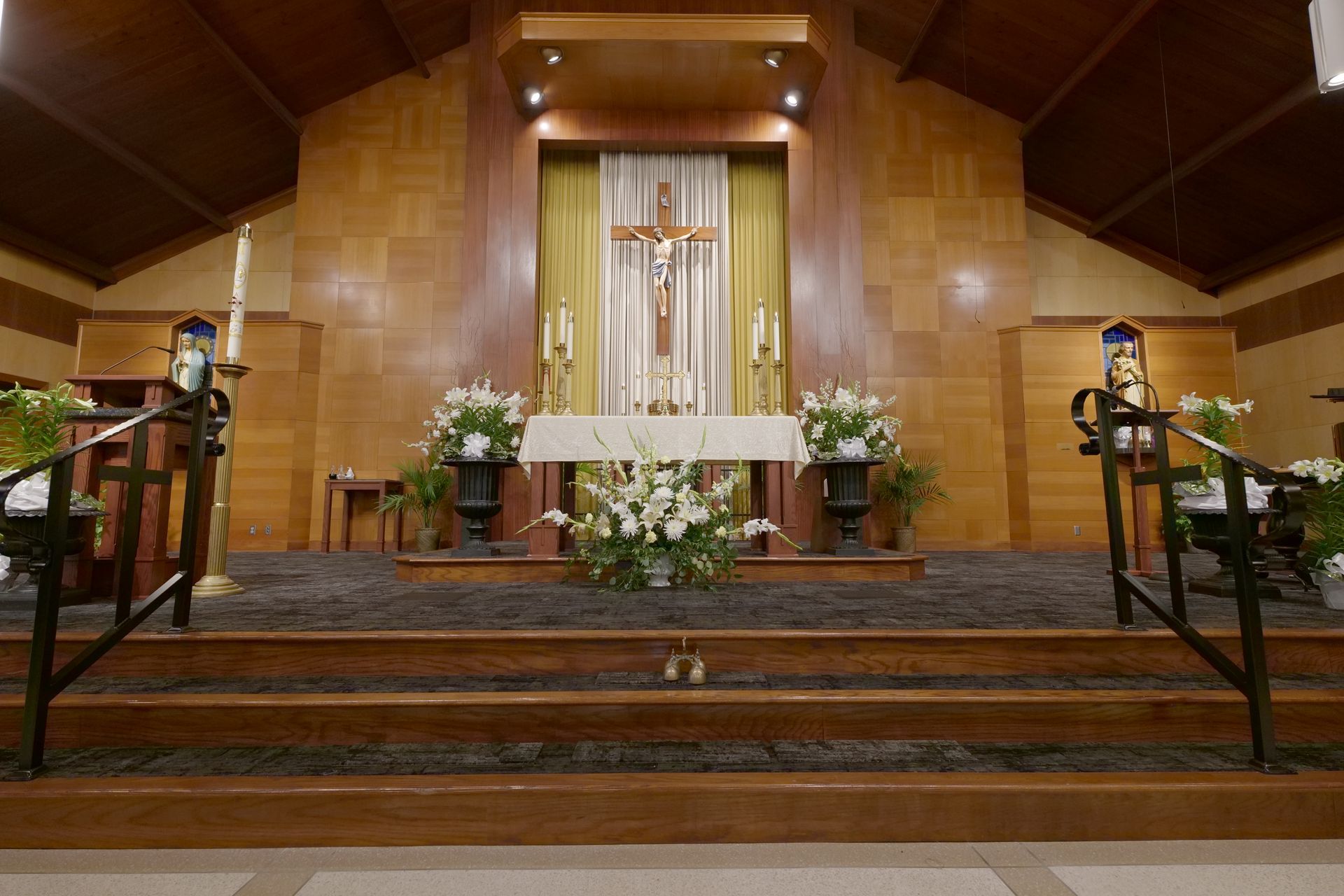
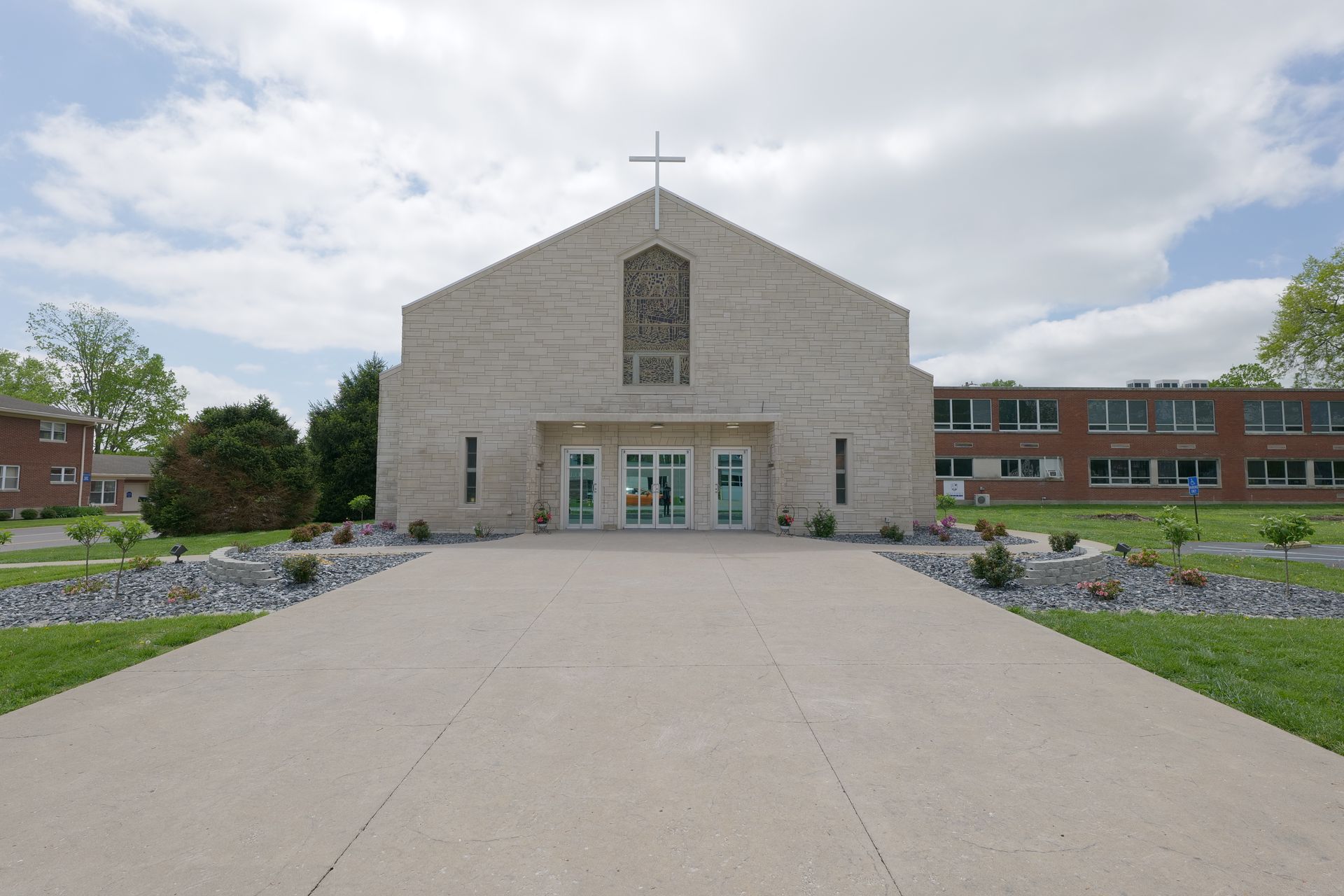
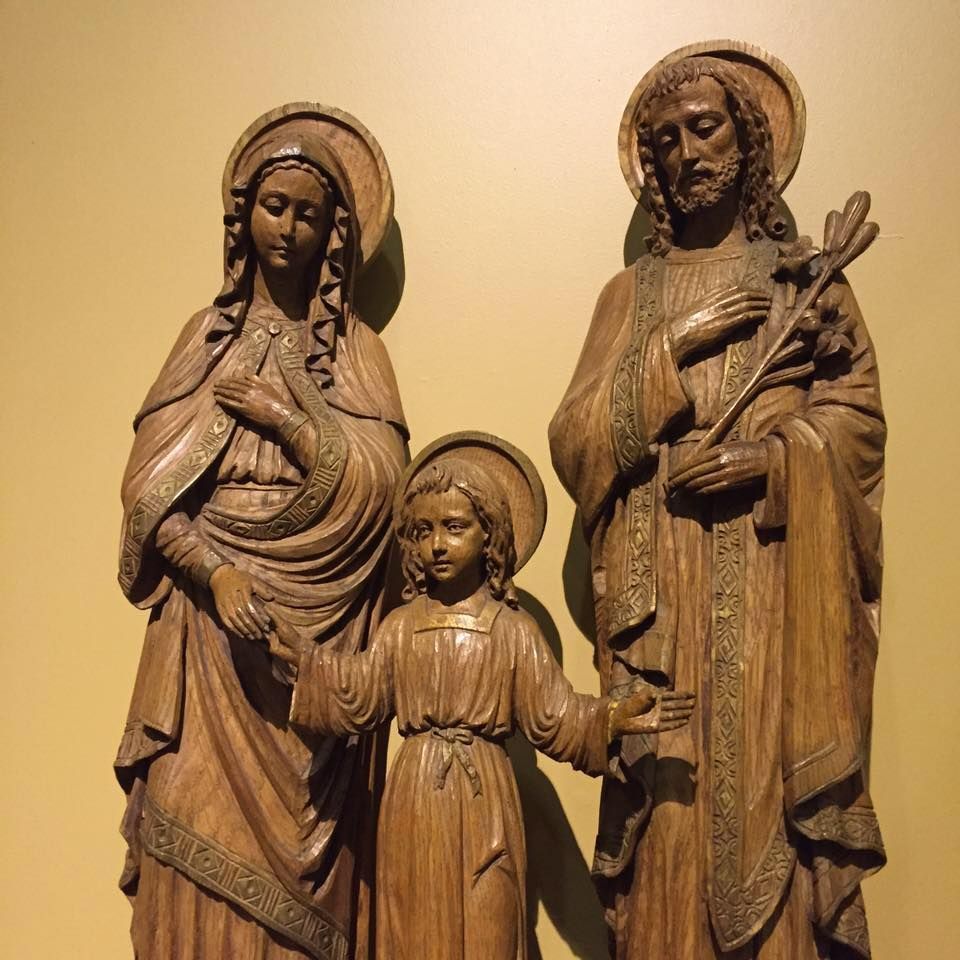
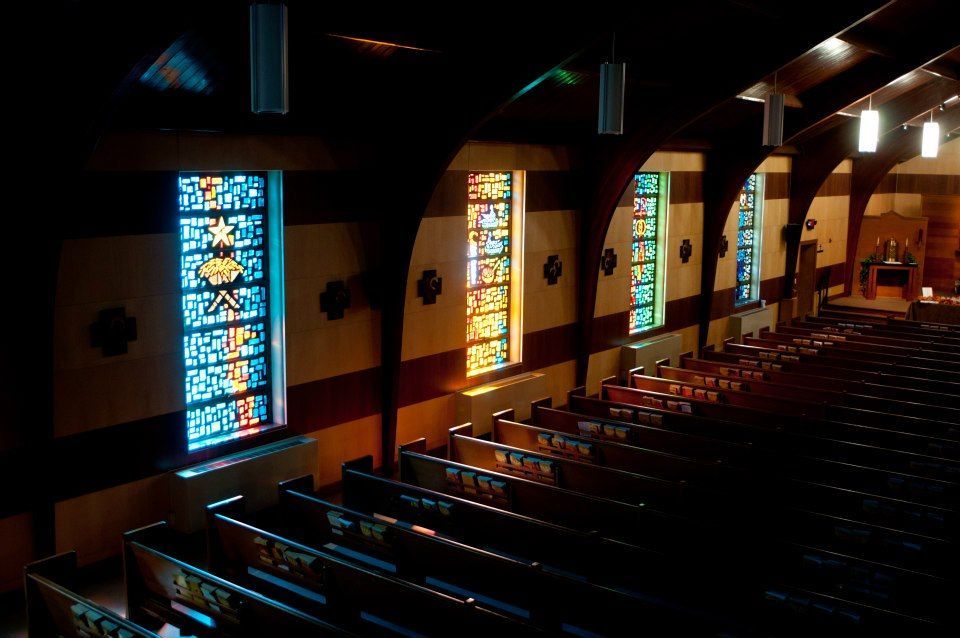

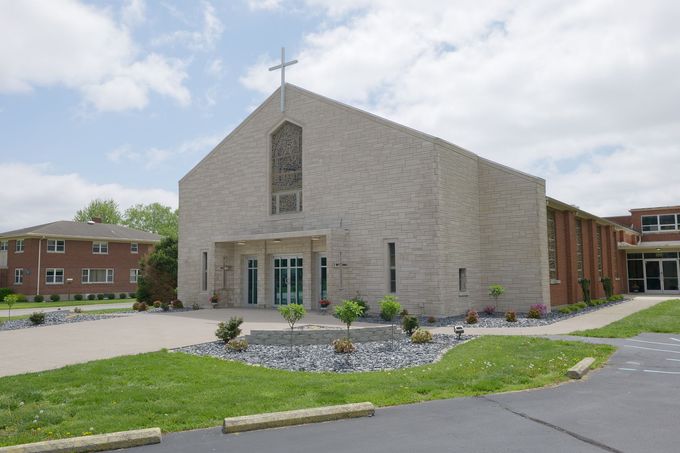
New Here?
Join us here at Holy Family Catholic Church.
Welcome, to Holy Family Parish—a vibrant community rooted in faith, service, and love. We invite you to become a part of our Holy Family, where we nurture spiritual growth, celebrate the sacraments, and build lasting connections. Whether you're looking to attend Mass regularly, volunteer, or simply learn more about our programs and ministries, we're here to welcome you with open arms.
Parish News